
The Role of Inflammation in Chronic Dry Eye Disease

The Role of Inflammation in Chronic Dry Eye Disease

The Role of Inflammation in Chronic Dry Eye Disease

The Role of Inflammation in Chronic Dry Eye Disease

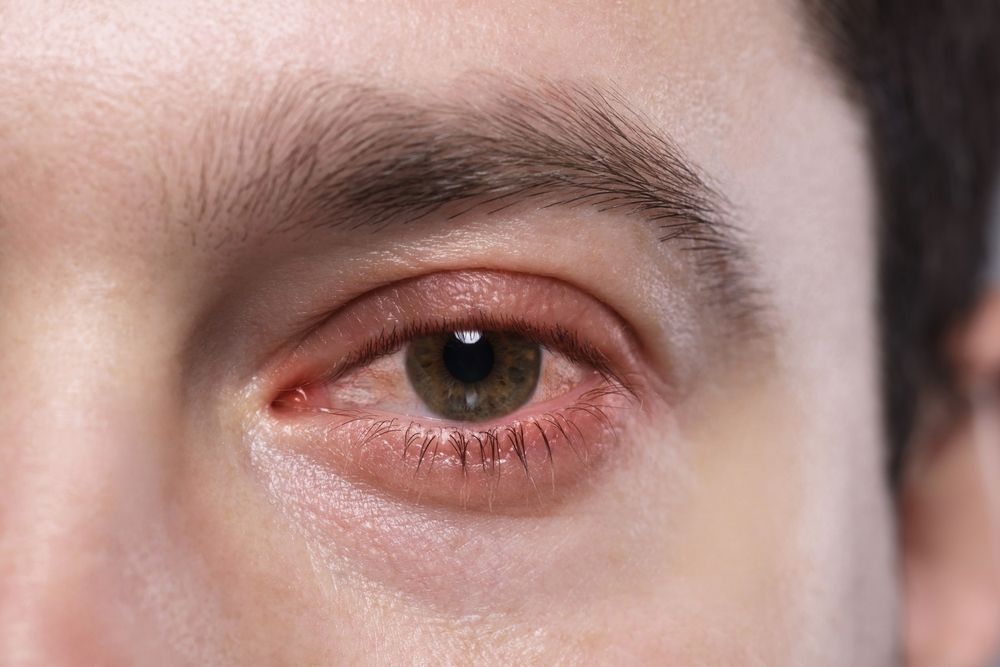
Chronic dry eye disease is not just a problem of “not enough tears”. For many people, the bigger issue is inflammation on the surface of the eye. When inflammation takes hold, it can disrupt tear quality, damage the ocular surface, and keep symptoms going even when you use over-the-counter drops. Understanding the role of inflammation can help you get more targeted relief, especially if you are dealing with ongoing dry eye.
How Inflammation Triggers a Dry Eye Cycle
A healthy tear film has three key layers: oil, water, and mucin. Inflammation can destabilize these layers by irritating the tear-producing glands and the cells that help tears spread evenly. Once the tear film breaks up too quickly, the eye surface dries out. That dryness causes more irritation, which can drive even more inflammation. This cycle is why chronic dry eye symptoms often linger or worsen over time instead of fading on their own.
Common Sources of Ocular Surface Inflammation
Inflammation in chronic dry eye disease can start from multiple causes, and more than one can be present at the same time. Frequent contributors include meibomian gland dysfunction (when the oil glands along the eyelids do not release enough healthy oil), blepharitis, allergies, contact lens wear, certain medications, hormonal changes, and autoimmune conditions. Even air conditioning, smoke exposure, and heavy screen time can contribute by increasing evaporation and keeping the tear film unstable.
Symptoms That Often Point to Inflammation
Inflammatory dry eye does not always feel like “dryness” alone. Some people primarily notice burning, stinging, or redness. Others describe a gritty or foreign-body sensation, watery eyes, or fluctuating vision that improves after blinking. If symptoms keep returning, or if your eyes feel irritated most days, an eye exam can help determine whether inflammation is the main driver and what is fueling it.
What an Eye Doctor Looks For
During a dry eye evaluation, your optometrist may assess tear break-up time, eyelid and gland health, and signs of surface damage. They may also look for lid margin inflammation, blocked oil glands, or allergy-related changes. Pinpointing the type of dry eye matters because treating inflammation is different from simply adding more lubrication.
Inflammation-Focused Relief Strategies
A plan for chronic dry eye disease often combines home care and in-office options, depending on severity and the root cause:
Artificial tears that match your needs, plus consistent use
Warm compresses and lid hygiene to support oil gland function
Allergy management when itching and seasonal flare-ups are involved
Prescription therapies designed to reduce ocular surface inflammation
In-office dry eye treatments to address meibomian gland dysfunction and tear stability
To get help for chronic dry eye disease and inflammation, schedule a comprehensive eye exam with Gulf Coast Vision. Visit our office in Gulfport, Mississippi, or call (228) 262-0266 to book an appointment today.


Our Services
Contact Info
Hours of Operation
- Monday 8:00 AM - 5:00 PM
- Tuesday 8:00 AM - 5:00 PM
- Wednesday 8:00 AM - 5:00 PM
- Thursday 10:00 AM - 7:00 PM
- Friday 8:00 AM - 1:00 PM
- Saturday Closed
- Sunday Closed
© 2026 Gulf Coast Vision. All Rights Reserved. Accessibility Statement - Privacy Policy - Sitemap
Powered By
