
How to Recognize Vision Problems in Kids Early

How to Recognize Vision Problems in Kids Early

How to Recognize Vision Problems in Kids Early

How to Recognize Vision Problems in Kids Early

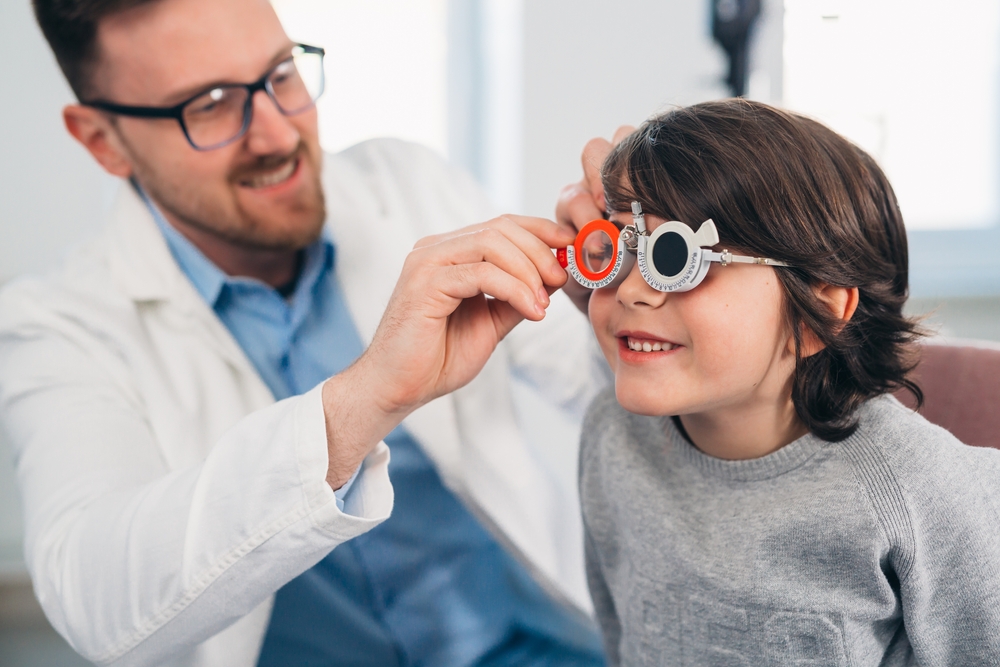
Children rely on their vision for nearly everything they do - from learning in the classroom to playing sports and exploring the world around them. However, many vision problems in kids can go unnoticed because children often don’t realize that what they’re seeing isn’t normal. Recognizing the early signs of vision issues is essential to supporting your child’s development, academic success, and overall well-being.
Why Early Detection of Vision Problems Matters
A child’s visual system continues developing throughout early childhood. When vision issues go undetected, they can affect reading ability, hand-eye coordination, attention span, and confidence. Early diagnosis allows for timely treatment, which can often correct or significantly improve many vision conditions while the eyes and brain are still developing. Pediatric eye exams are designed to identify issues that routine school screenings may miss, ensuring your child’s eyes are healthy and functioning as they should.
Common Signs of Vision Problems in Children
Children may not complain about their vision, so it’s important for parents to watch for behavioral and physical clues, including:
• Squinting, covering one eye, or tilting the head
• Frequent eye rubbing or blinking
• Complaints of headaches or eye strain
• Sitting too close to the TV or holding books very close
• Difficulty concentrating or avoiding reading
• Poor performance in school or trouble following along in class
• Sensitivity to light or excessive tearing
• Eyes that appear misaligned or don’t move together
If you notice any of these signs, it’s a good idea to schedule a pediatric eye exam with an eye doctor experienced in children’s vision care.
Vision Conditions Commonly Found in Kids
Several eye conditions often develop during childhood, including:
• Nearsightedness (myopia): Difficulty seeing objects clearly at a distance
• Farsightedness (hyperopia): Difficulty focusing on close-up tasks
• Astigmatism: Blurred or distorted vision at any distance
• Amblyopia (lazy eye): Reduced vision in one eye if not treated early
• Strabismus (eye turn): Eyes that do not align properly
Many of these conditions are highly treatable when caught early through routine pediatric eye exams.
How Pediatric Eye Exams Support Academic Success
Clear, comfortable vision plays a major role in learning. Undiagnosed vision problems can make reading and writing exhausting, leading to frustration or behavioral issues that may be mistaken for learning difficulties. Pediatric eye exams help ensure your child can see the board clearly, track words on a page, and maintain focus throughout the school day.
Schedule Your Child’s Eye Exam at Gulf Coast Vision
Recognizing vision problems in kids early can make a lasting difference in their development, confidence, and success both in and out of the classroom. By watching for warning signs and prioritizing regular pediatric eye exams, parents can help protect their child’s vision and overall eye health.
If you’ve noticed signs of vision problems in your child, contact Gulf Coast Vision to schedule a pediatric eye exam today. Visit our office in Gulfport, Mississippi, or call (228) 262-0266 to book an appointment.


Our Services
Contact Info
Hours of Operation
- Monday 8:00 AM - 5:00 PM
- Tuesday 8:00 AM - 5:00 PM
- Wednesday 8:00 AM - 5:00 PM
- Thursday 10:00 AM - 7:00 PM
- Friday 8:00 AM - 1:00 PM
- Saturday Closed
- Sunday Closed
© 2026 Gulf Coast Vision. All Rights Reserved. Accessibility Statement - Privacy Policy - Sitemap
Powered By
