
How Often Should You Get Screened for Glaucoma?

How Often Should You Get Screened for Glaucoma?

How Often Should You Get Screened for Glaucoma?

How Often Should You Get Screened for Glaucoma?

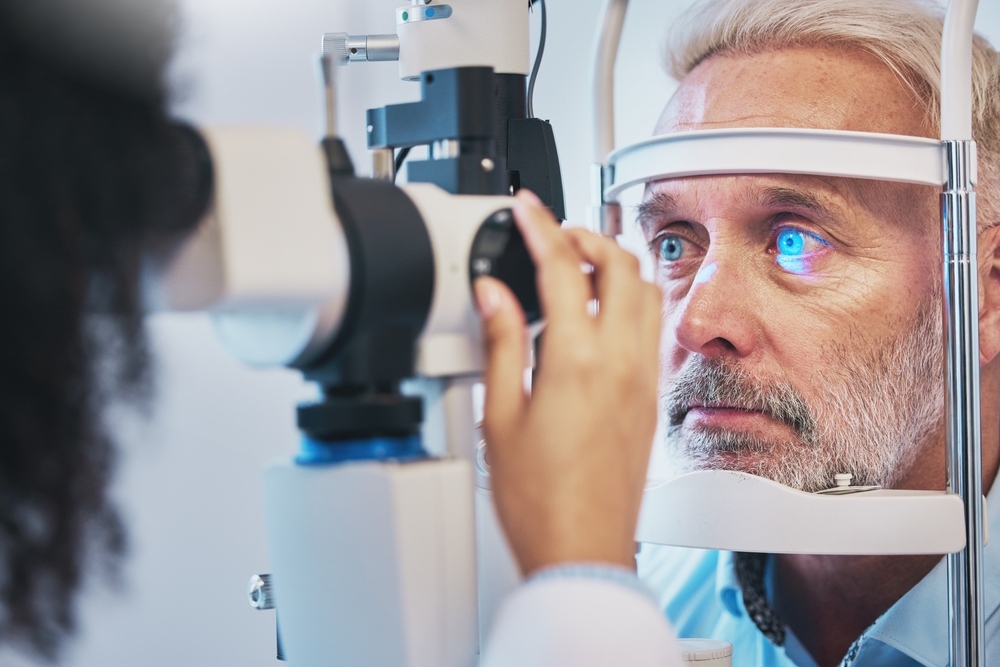
Glaucoma is often called the "silent thief of sight" because it can cause vision loss without noticeable symptoms in its early stages. This eye disease damages the optic nerve, which is responsible for sending visual information from your eyes to your brain. Left untreated, glaucoma can lead to permanent vision loss or even blindness.
What Is Glaucoma?
Glaucoma typically develops when fluid builds up in the eye, increasing pressure that can damage the optic nerve. While increased eye pressure is a common factor, glaucoma can also occur in people with normal eye pressure. The condition is progressive, meaning it worsens over time, and once vision is lost, it cannot be restored. Early detection is the best way to preserve your sight.
Why Do You Need Regular Monitoring?
Since glaucoma often develops without pain or warning signs, many people don’t realize they have it until irreversible damage has occurred. Routine screenings allow your optometrist to catch subtle changes in eye health before symptoms appear. Regular monitoring also helps track eye pressure, optic nerve health, and any early vision changes, ensuring treatment can begin as soon as necessary.
What Do Doctors Look for During a Glaucoma Screening?
During a glaucoma screening, your optometrist may perform:
Tonometry - measures eye pressure.
Ophthalmoscopy - evaluates the health of the optic nerve.
Visual field testing - detects blind spots or vision loss.
Pachymetry - measures corneal thickness, which can affect eye pressure readings.
These tests together provide a complete picture of your eye health and help determine if you’re at risk.
How Often Should You Be Screened?
For most adults, it is recommended to have a comprehensive eye exam at least once a year. This ensures your eye doctor can monitor for early signs of glaucoma and other vision conditions.
Some people may need more frequent screenings, including:
Adults over the age of 60
Individuals with a family history of glaucoma
African Americans and Hispanics, who are at higher risk
People with conditions such as diabetes or high blood pressure
Anyone with a history of eye injury or long-term steroid use
If you fall into one of these categories, your optometrist may suggest more frequent monitoring to protect your vision.
Safeguard Your Sight with Gulf Coast Vision
Glaucoma can develop silently, but with regular screenings, it doesn’t have to take you by surprise. Annual comprehensive eye exams and more frequent visits if you’re at higher risk are the key to protecting your vision for life.
Schedule your next glaucoma exam with Gulf Coast Vision and take a proactive step toward safeguarding your sight. Visit our office in Gulfport, Mississippi, or call (228) 262-0266 to book an appointment today.


Our Services
Contact Info
Hours of Operation
- Monday 8:00 AM - 5:00 PM
- Tuesday 8:00 AM - 5:00 PM
- Wednesday 8:00 AM - 5:00 PM
- Thursday 10:00 AM - 7:00 PM
- Friday 8:00 AM - 1:00 PM
- Saturday Closed
- Sunday Closed
© 2026 Gulf Coast Vision. All Rights Reserved. Accessibility Statement - Privacy Policy - Sitemap
Powered By
